
Call or Text: 305-954-0260 Email: [email protected] Chat on WhatsApp
FLORIDA NOTARY GUIDE
What Documents Require
Witnesses in Florida?
Navigating Florida's legal document requirements doesn't have to be overwhelming. We're here to help you understand when witnesses are required, providing clarity and peace of mind for your most important paperwork.
The Quick Answer
Many important Florida legal documents require witnesses, and some also require notarization. The exact requirements depend on the document and applicable Florida law. This quick guide provides a general overview, always confirm the specific requirements for your situation.
| Document Type | Witnesses May Be Required | Notarization May Be Required |
|---|---|---|
| Durable Power of Attorney | ||
| Limited Power of Attorney | ||
| Last Will and Testament | ||
| Living Will | ||
| Health Care Surrogate | ||
| Trust Documents | ||
| Deeds | ||
| Affidavits | ||
| Mortgage Documents |
Why Are Witnesses
Required?
Preventing Fraud
An independent third party verifies that no one is being pressured or coerced into signing.
Confirming Identity
Witnesses help confirm that the person signing is exactly who they claim to be.
Protecting Everyone
Having witnesses safeguards the interests of all parties involved in the agreement.
Proper Execution
Witnesses ensure the document is signed according to strict legal standards.
Common Documents That
Require Witnesses
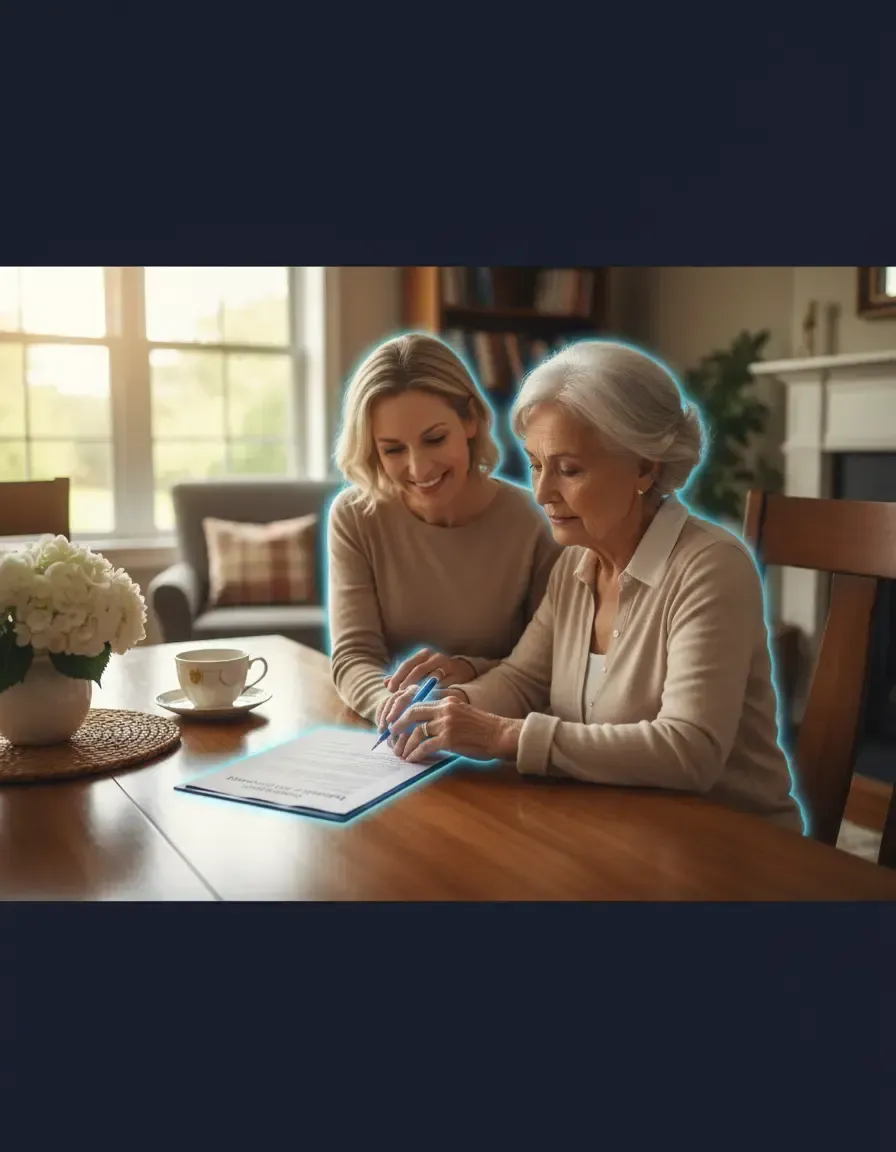
What it does: Grants someone you trust the legal authority to make financial or medical decisions on your behalf if you become incapacitated or unavailable.
Why witnesses are required: Florida law requires witnesses to verify that you were of sound mind, understood the significant powers you were granting, and were not under any duress during the signing.
Real-Life Example: A daughter helping her elderly mother manage finances must present a properly witnessed and notarized Durable Power of Attorney to the bank before they will allow her to access the accounts.
What it does: A Last Will and Testament details how your assets should be distributed after you pass, while a Living Will outlines your specific healthcare preferences if you cannot speak for yourself.
Why witnesses are required: Witness signatures are essential for validating the document in probate court. They serve as neutral third parties who confirm your identity and ensure the document reflects your true intentions.
Real-Life Example: Signing a Living Will in a hospital setting requires independent witnesses—who are not part of the medical staff treating the patient—to ensure the patient's healthcare choices are documented without interference.


What it does: Transfers official ownership of property (Deeds) or secures financing against a property (Mortgages).
Why witnesses are required: Florida law specifically requires two witnesses for most deeds to record the transfer legally. This strict requirement helps prevent property fraud and ensures the transfer is fully authorized by the current owner.
Real-Life Example: A couple selling their Florida home must sign the warranty deed in the physical presence of a notary public and two witnesses before the title company will close the sale.
What it does: Places assets into a trust for the benefit of specific individuals, often used to bypass probate court delays and manage family wealth privately.
Why witnesses are required: Ensures the creator of the trust fully understands the terms, validates the creation of the trust under Florida state laws, and provides testimony if the trust is ever contested.
Real-Life Example: Establishing a revocable family trust to protect an estate from probate requires careful signing with reliable witnesses to ensure the document holds up legally decades later.

TRUSTED ACROSS MIAMI
Why Miami Chooses
Blue Ink
Trusted by families, attorneys, and real estate professionals for professional, convenient notarization when it matters most.
CLEARING THE CONFUSION
Answers to Your
Top Questions
Can my spouse or adult child be a witness?
Generally, witnesses should be impartial, meaning they do not benefit from the document. Using a family member can sometimes lead to challenges, so independent witnesses are often recommended.
Can the notary also act as a witness?
In some cases, a notary may serve as one of the witnesses, but they cannot notarize their own signature. Requirements vary depending on the specific document being signed.
Yes. Mobile notaries frequently assist patients in healthcare facilities. It’s important to coordinate with facility staff to ensure witnesses are available and the signer is alert.
What happens if I don't have my own witnesses?
If you cannot provide your own independent witnesses, many mobile notary services, including Blue Ink Signing Solutions, can arrange them for you with advance notice.
Witness Fees:
Mobile notarizations: $50 per witness
Remote online notarizations (RON): $30 per witness
In-office notarizations: $40 per witness
Do I need both a notary and witnesses?
Many essential documents, like Wills and Deeds, require both. The witnesses confirm your identity and willingness, while the notary verifies and legally records the event.
Are witness rules the same for every document?
No. The requirements for witnesses vary widely depending on the type of document and applicable Florida law. Always confirm the specific requirements for your paperwork.
VERIFICATION CHECKLISTS
How to Prepare
Common Mistakes to Avoid
- Signing before the notary arrives
- Forgetting required witnesses
- Bringing expired identification
- Leaving blanks in documents
- Waiting until a loved one can no longer sign
Before Your Appointment
- Bring a valid, unexpired photo ID
- Have your documents completely ready
- Do not sign before your appointment
- Confirm whether witnesses are needed
- Call Blue Ink with any questions beforehand
CLARITY BEFORE YOU COMMIT
Frequently Asked
Questions
If you don't see your specific question answered here, please don't hesitate to reach out. We're here to help clarify the process and ensure you feel confident before your appointment.
What documents generally require witnesses in Florida?
In Florida, documents like Last Wills and Testaments, Durable Powers of Attorney, Living Wills, Health Care Surrogates, and certain real estate deeds often require independent witnesses to be legally binding. Requirements vary based on the specific document and current state law.
Does a durable power of attorney need witnesses?
Yes, in Florida, a Durable Power of Attorney typically must be signed by the principal in the presence of two witnesses, and it must also be acknowledged before a notary public to be legally effective.
Do wills require witnesses in Florida?
Yes. A Last Will and Testament must generally be signed in the presence of at least two witnesses in Florida. The witnesses must also sign the document in the presence of the testator and each other.
Can family members be witnesses to my legal documents?
While it may be technically possible in some situations, it is highly recommended to use disinterested witnesses—people who are not related to you by blood or marriage and who do not benefit from the document—to prevent claims of conflict of interest or undue influence.
Can a notary public also act as a witness?
In Florida, a notary public may often act as one of the required witnesses, provided they are not a party to the transaction and do not have a financial interest in it. They would sign once as a witness and again as the notary.
Can documents be signed while I am in a hospital?
Yes. Blue Ink frequently assists clients with document signings in hospitals. However, you must be alert, aware, and able to understand the documents you are signing. We can help coordinate the notary portion, though providing independent witnesses may require advance planning.
Can a mobile notary provide witnesses for my appointment?
Yes, Blue Ink Signing Solutions can often arrange for professional, impartial witnesses to accompany our mobile notaries for an additional fee.
Witness Fees:
Mobile notarizations: $50 per witness
Remote online notarizations (RON): $30 per witness
In-office notarizations: $40 per witness
Please let us know when scheduling your appointment if you will need us to provide witnesses.
What happens if I sign a document without the required witnesses?
If a document that requires witnesses under Florida law is signed without them, it may be deemed legally invalid. This can cause significant issues, especially with estate planning documents, potentially rendering them unenforceable when they are needed most.
Does a living will need witnesses?
Yes. A Florida Living Will generally requires the signature of the principal in the presence of two subscribing witnesses. At least one of the witnesses must be someone who is not a spouse or blood relative of the principal.
Are witnesses required for real estate deeds in Florida?
Yes, Florida law generally requires that deeds transferring title to real property be signed by the grantor in the presence of two witnesses, in addition to being notarized, in order to be recorded in the public records.
Do health care surrogate forms need to be witnessed?
Yes, a Designation of Health Care Surrogate in Florida must be signed in the presence of two witnesses. At least one witness cannot be the person's spouse or blood relative, and the person designated as the surrogate cannot act as a witness.
How old do you have to be to act as a witness?
In Florida, a witness to a legal document should generally be a competent adult, which typically means they must be at least 18 years old and of sound mind to understand the act of witnessing the signature.
Can my spouse witness my signature?
It is strongly discouraged and often legally invalid for a spouse to witness documents that benefit them, such as a Will or Power of Attorney. Disinterested, unrelated third parties are always the safest choice to ensure document validity.
Do witnesses need to bring identification?
Yes. Even though the notary's primary duty is to identify the main signer, witnesses should bring valid, unexpired government-issued photo ID (like a driver's license or passport) so their identity can be properly verified and recorded in the notary journal.
What is the role of a witness during a document signing?
The role of a witness is to observe the principal signer willingly sign the document. They help confirm the identity of the signer and ensure that no apparent coercion or fraud is taking place during the execution of the paperwork.
Can trust documents be witnessed by the beneficiaries?
Having beneficiaries witness a trust document is risky and generally advised against. To prevent legal challenges regarding undue influence or conflict of interest, it is best practice to use independent witnesses who have no stake in the trust.
Do mortgage documents always require witnesses?
While Florida deeds require two witnesses, a standard mortgage itself does not always require witnesses under state law, though it must be notarized. However, many title companies and lenders have strict internal policies requiring witnesses for all loan packages.
What if I can't find anyone to serve as a witness?
If you cannot provide your own disinterested witnesses, contact Blue Ink prior to your appointment. We can often arrange for professional witnesses to accompany our notary to your location, ensuring your documents are executed properly.
Does a limited power of attorney require witnesses?
Yes, like a Durable Power of Attorney, a Limited Power of Attorney in Florida generally must be signed in the presence of two witnesses and notarized to be considered legally valid for most applications. Visit our page to learn more: https://blueink.miami/power-of-attorney
Can Blue Ink help me understand my witness requirements?
While Blue Ink cannot provide legal advice, we are highly experienced with standard Florida recording and notarization requirements. We can inform you of general guidelines and ensure your signing appointment is conducted with the appropriate number of witnesses present.
MOBILE NOTARY SERVICES
Need Help Completing
Important Documents?
Blue Ink Signing Solutions provides professional mobile notary services throughout Miami-Dade, Broward, and Palm Beach Counties. We travel to your home, office, hospital, or care facility to ensure your estate planning, real estate, and power of attorney documents are executed properly.
Disclaimer: Blue Ink Signing Solutions is not a law firm and does not provide legal advice. Our notaries are not attorneys licensed to practice law in the State of Florida and cannot advise you on legal matters.
80 SW 8th St, Miami, FL 33130, United States
+1 (305) 954-0260
[email protected]
FOLLOW US




COMPANY
SERVICE AREAS
SERVICES
Copyright 2026. Blue Ink Signing Solutions. All Rights Reserved.