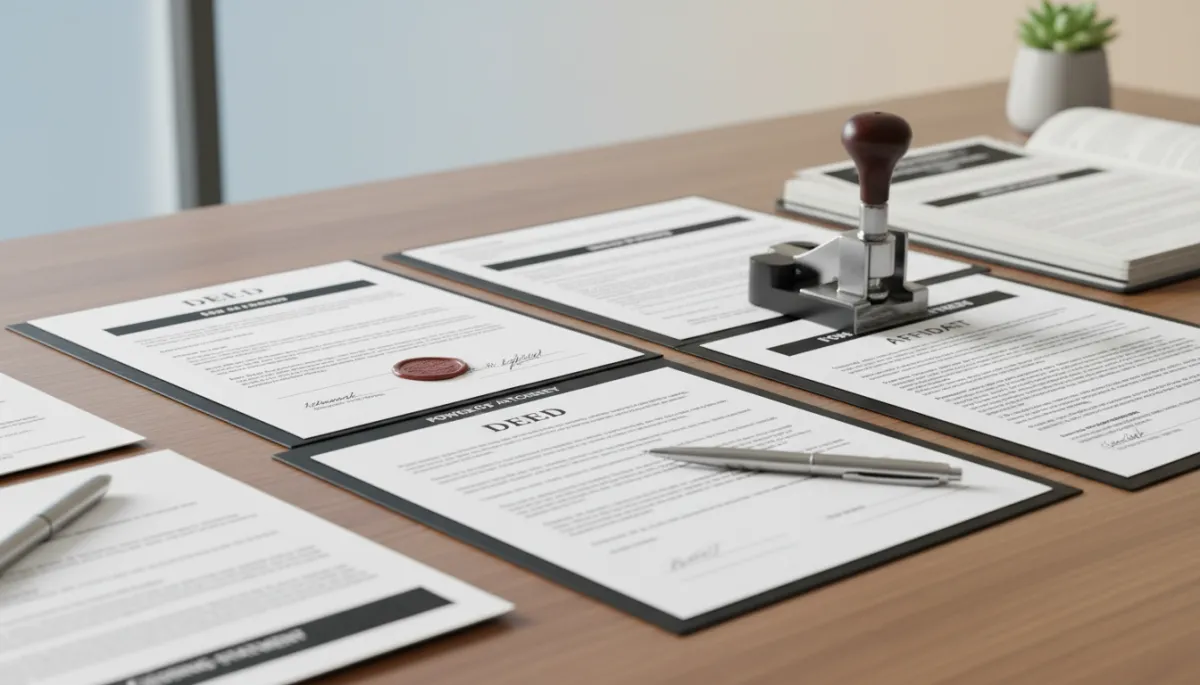
Florida Real Estate Notary Guide for Homeowners
Real Estate, Notarization, Legal Documents
Real Estate Documents That May Require a Notary: What Florida Homeowners Should Know
Buying, selling, or refinancing a property is often one of the largest financial decisions you will ever make. Along with the excitement comes a stack of paperwork, and many of those documents must be notarized to be valid and enforceable. Understanding which real estate documents may require a notary and how to coordinate a smooth signing can save you time, stress, and last‑minute surprises at closing.
Why Notarization Matters in Real Estate Transactions
In Florida, notarization is more than a formality. A notary public serves as an impartial witness who verifies the identity of signers, confirms they are signing willingly, and helps prevent fraud. Many real estate documents are recorded in public records or relied on by lenders, title companies, and courts. If the notarization is missing, incorrect, or non‑compliant, the document can be rejected, delayed, or challenged later potentially affecting your ownership rights or your ability to close on time.
Blue Ink Signing Solutions supports individuals, real estate professionals, and law firms across Florida with mobile, in‑office, and remote online notarization (RON). Below, we break down the key real estate documents that often require a notary and how to prepare for a seamless signing experience.
Deeds: Transferring Ownership of Property
A deed is the document that actually transfers ownership of real property from one party to another. In Florida, deeds must typically be signed by the grantor (the person transferring the property), witnessed, and notarized in order to be recorded in the county’s official records. Without proper notarization, the deed may not be accepted for recording, which can cloud the title and create future legal issues.
Common types of deeds that may require notarization include:
Warranty Deeds – Often used in traditional sales, where the seller guarantees clear title to the buyer.
Quitclaim Deeds – Frequently used between family members, divorcing spouses, or to clean up title issues, where no title guarantees are made.
Special Warranty or Personal Representative Deeds – Used in estate, trust, or limited warranty situations.
When preparing for a deed signing, confirm:
The deed is drafted or reviewed by a qualified professional (such as your attorney or title company).
Names, legal descriptions, and marital status are correct and complete before the notary arrives.
All required signers and witnesses will be present, or that your notary service can coordinate witnesses for you.
💡 Pro Tip: Never sign a deed in advance. The notary must witness you signing and properly complete the Florida notarial certificate at the time of execution.
Affidavits in Real Estate: Sworn Statements That Need a Notary
An affidavit is a written statement confirmed by oath or affirmation before a notary. In real estate transactions, affidavits are used to clarify facts, address title issues, and provide assurances to lenders and title insurers. Because they are sworn statements, they almost always require notarization to be valid and relied upon.
Common real estate affidavits that may require a notary include:
Owner’s Affidavits – The seller affirms there are no undisclosed liens, judgments, or claims affecting the property.
Identity or Name Affidavits – Used when a borrower or seller has used different versions of their name, to confirm they are the same person.
Affidavits of Continuous Marriage or Non‑Foreign Status – Required in certain lending or tax situations.
When you sign an affidavit before a notary, you are swearing that the information is true to the best of your knowledge. Blue Ink Signing Solutions ensures the correct type of notarial act is used such as a jurat, where you swear or affirm the truthfulness of the statement and sign in the notary’s presence to keep your documents compliant with Florida law and your title company’s requirements.
Powers of Attorney: Authorizing Someone to Act for You
Life does not always cooperate with closing dates. If you cannot attend a real estate signing in person, a properly executed power of attorney (POA) may allow a trusted person to sign on your behalf. In Florida, many powers of attorney, especially those used for real estate, must be signed with the proper formalities including witnesses and notarization to be accepted by title companies, lenders, and county recorders.
A real estate–related power of attorney might be used to:
Allow a spouse or relative to sign closing documents while you are deployed, traveling, or hospitalized.
Enable an adult child to manage the sale of a parent’s property when the parent cannot be present.
Permit an authorized representative to execute documents for a trust, business, or estate.
Because powers of attorney can grant significant authority, attention to detail is critical. Before notarization, verify that:
The POA language is acceptable to your title company and lender, especially if it will be used to sign a mortgage or deed.
The document meets Florida’s execution requirements, including witnesses where required.
The principal (the person granting authority) has valid ID, understands what they are signing, and is signing voluntarily.
⚠️ Warning: Not all out‑of‑state or generic POA forms are accepted in Florida real estate transactions. Always confirm acceptability with your closing attorney or title company before the notarization appointment.
Closing Documents: The Final Step Before Keys Change Hands
The closing package for a purchase, sale, or refinance often contains dozens of pages. Not every page needs to be notarized, but several key documents typically do — and missing even one signature or stamp can delay funding or recording. Title companies and lenders rely on accurate, complete notarization to finalize the transaction and disburse funds.
Examples of closing documents that may require notarization include:
Mortgage or Deed of Trust – Secures the lender’s interest in the property and must be notarized to be recorded.
Closing Affidavits and Certifications – Confirm occupancy, identity, or other conditions required by the lender or title insurer.
Deeds and Recordable Instruments – As discussed above, these transfer or affect ownership and must be notarized correctly.
At Blue Ink Signing Solutions, we regularly work with title companies, law firms, and lenders, so we understand the importance of following their specific instructions, using the correct notarial certificates, and carefully checking each signature. This attention to detail helps prevent funding delays and last‑minute phone calls on what should be a celebratory day for you and your family.
Coordinating a Smooth, Stress‑Free Signing Experience
Whether you are signing a single deed or a full closing package, thoughtful coordination can turn a potentially stressful appointment into a calm, efficient experience. Here are practical steps to help ensure your notarization goes smoothly from start to finish.
1. Confirm Which Documents Need a Notary
Before scheduling, ask your title company, attorney, or lender to clarify which documents require notarization and whether witnesses are needed. Share this list with your notary service so they can plan accordingly, especially if multiple signers or witnesses must be present or if any documents must be signed in a particular order.
2. Choose the Right Type of Appointment: Mobile, In‑Office, or Remote Online
Different situations call for different signing options. Some clients prefer the structure of an in‑office appointment, while others need the flexibility of a mobile notary coming to their home, hospital, or workplace. For eligible documents and signers, remote online notarization can offer added convenience — especially if parties are in different locations or traveling on the day of closing.
Blue Ink Signing Solutions offers all three options across Florida, allowing you and your professional partners to select the format that best supports your schedule, comfort level, and transaction requirements.
3. Prepare Identification and Supporting Documents
Florida notaries must verify your identity using acceptable identification, such as a current driver license, state ID, passport, or other government‑issued photo ID. Before your appointment:
Ensure your ID is unexpired and matches the name printed on your documents as closely as possible.
Have any required supporting documents (such as trust papers or corporate resolutions) readily available if you are signing on behalf of an entity.
4. Review, But Do Not Sign, in Advance
You should always feel comfortable with what you are signing. Take time before your appointment to review the documents and ask your attorney, agent, or lender any questions. However, do not sign or date documents that require notarization until the notary is present. The notary must witness your signature and complete the notarial certificate at that time to comply with Florida law and industry standards.
5. Work with a Notary Service That Understands Real Estate
Real estate closings move quickly, and small errors can have big consequences. Partnering with a notary service that regularly handles deeds, affidavits, powers of attorney, and closing packages helps protect your transaction from avoidable delays. At Blue Ink Signing Solutions, we coordinate closely with your title company or law firm, follow detailed signing instructions, and double‑check each notarial certificate for compliance and completeness before concluding the appointment.
Protect Your Real Estate Transaction with Professional Notarization Support
Deeds, affidavits, powers of attorney, and closing documents all play a critical role in protecting your rights and interests in a real estate transaction. Proper notarization is one of the final safeguards that ensures these documents are legally effective, recordable, and respected by lenders, title companies, and courts. By understanding which documents need a notary and how to coordinate a smooth signing, you can move into your next chapter with greater confidence and peace of mind.
Blue Ink Signing Solutions is committed to integrity, confidentiality, and operational excellence in every signing we handle. Whether you are an individual homeowner, a real estate professional, or a law firm managing high‑volume closings, we provide white‑glove document execution support that respects your time and your clients’ experience.
Ready to schedule your real estate notarization? Book your preferred appointment type with Blue Ink Signing Solutions:
Mobile Appointments: blueink.miami/book-mobile
Remote Online Notarization: blueink.miami/book-ron
In‑Office Appointments: blueink.miami/book-office
Book your mobile, remote online, or in‑office notarization appointment with Blue Ink Signing Solutions today to experience professional, seamless, and compliant document execution support for your next real estate transaction.
